
-
AGVCUSTOMIZED TRANSFER CARTCoil Transfer CartDie Transfer CartLadle Transfer CartMold Transfer CartTurntable Transfer CartCoil Transfer CartDie Transfer CartLadle Transfer CartMold Transfer CartTurntable Transfer CartINDUSTRAIL TRAILERMATERIAL TRANSFER TROLLEYElectric Transfer CartMotorized Transfer CartElectric Transfer CartMotorized Transfer CartRAIL TRANSFER TROLLEYBattery Powered Transfer TrolleyBusbar Powered Transfer TrolleyCable Reel Powered Transfer CartRail Powered Transfer TrolleyBattery Powered Transfer TrolleyBusbar Powered Transfer TrolleyCable Reel Powered Transfer CartRail Powered Transfer TrolleyTRACKLESS TRANSFER CARTOmnidirectional Mobile Trackless VehicleOmnidirectional Mobile Trackless VehicleTRANSFER TROLLEY WITH HYDRAULIC LIFTHydraulic Steering Trackless VehicleHydraulic Steering Trackless Vehicle
-
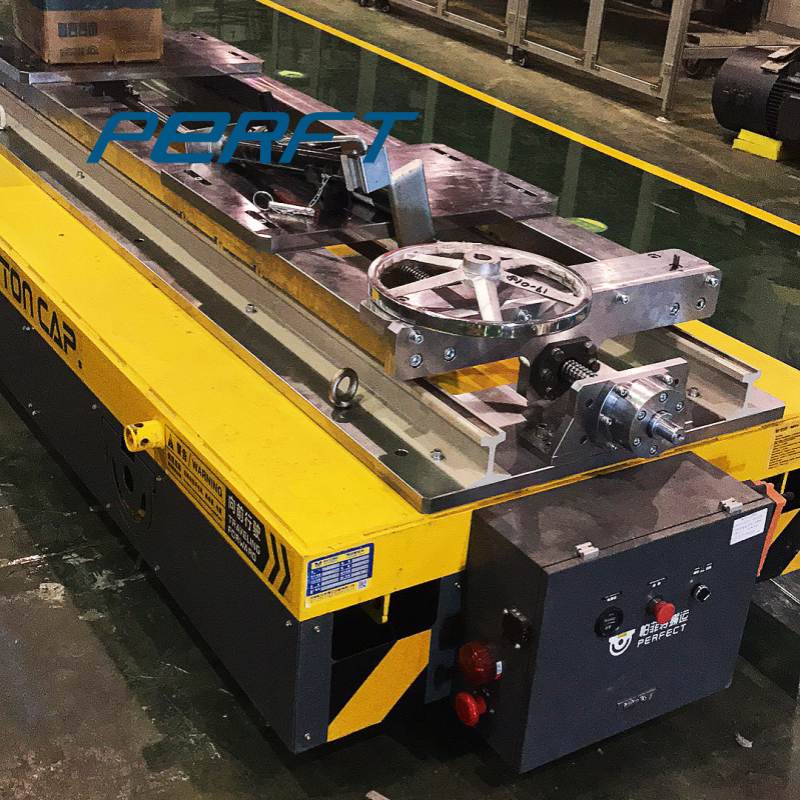 What’s the Best Way to Transport Heavy Material on Rail Carts?
This guide explores practical methods for securing different cargo shapes—using blocks, straps, clamps, vacuum suction, and cushioning materials. Learn how to prevent cargo shifting, protect delicate surfaces, and ensure transport safety in complex industrial environments.
-
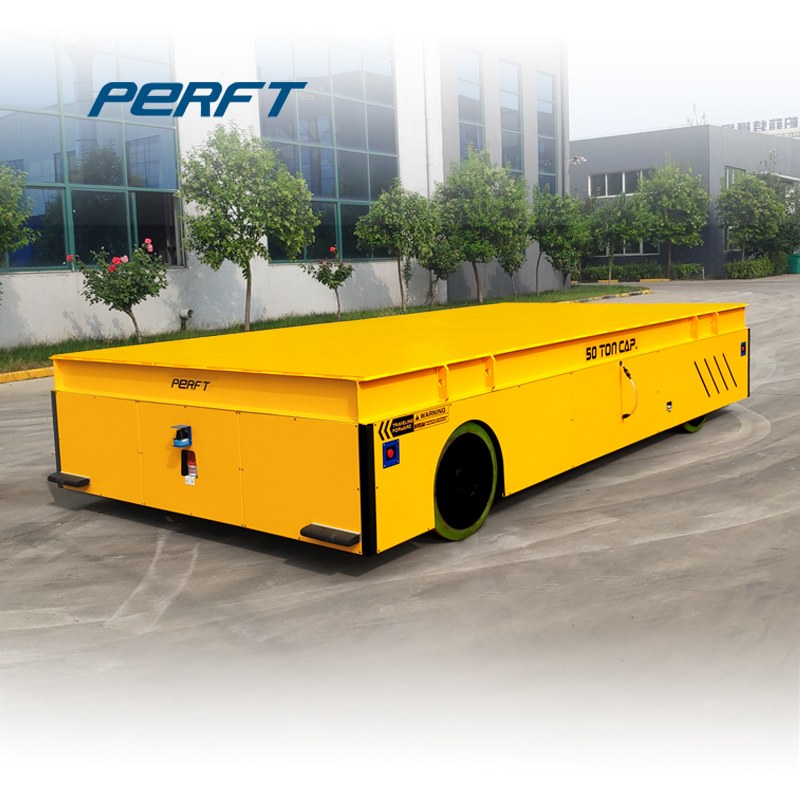 Trackless Transfer Trolley Straight Line Deviation: 3 Key Causes & Solution
Trackless transfer trolleys are essential for flexible material handling, but straight-line deviation can hinder efficiency. Learn the main causes and discover effective solutions to improve stability and performance in industrial environments.
-
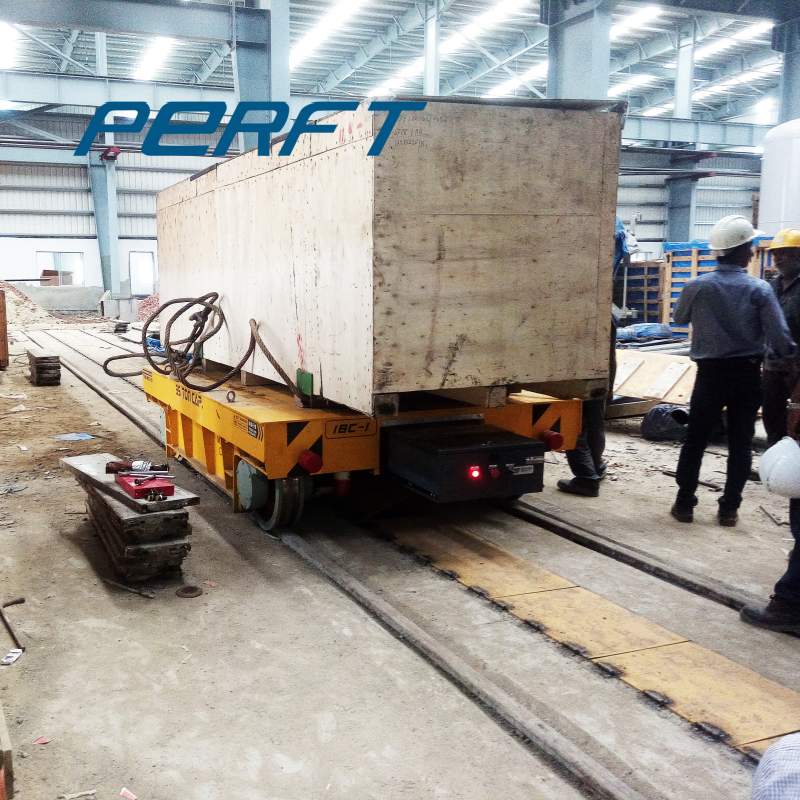 Rail Transfer Trolley: Common Operational Problems
Discover common rail transfer trolley issues—wheel wear, frame deformation, track damage, foreign debris blockages, and electrical system failures—and learn essential maintenance tips for safe, efficient operation.
-
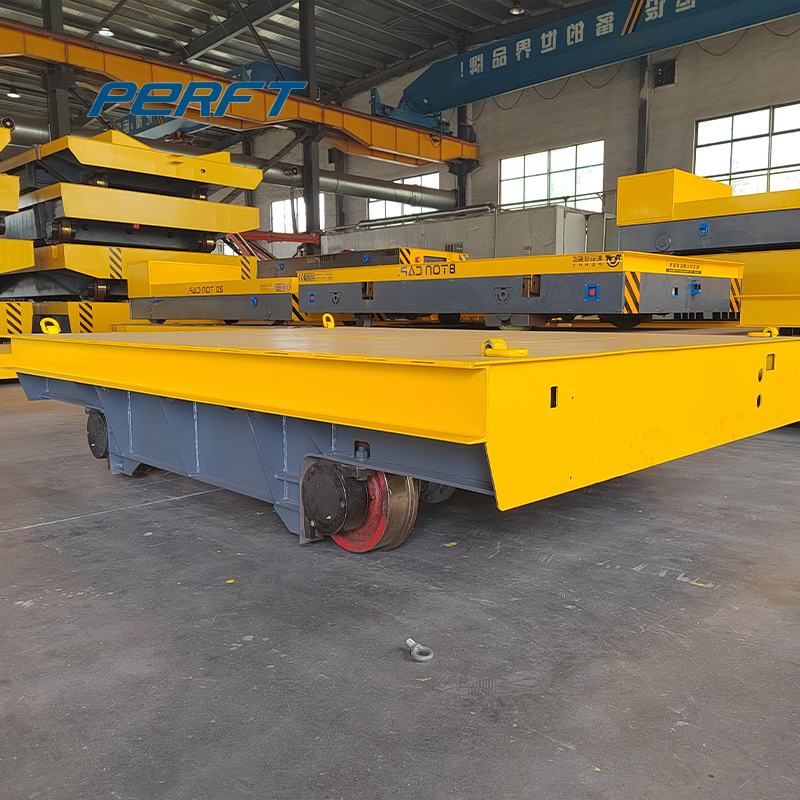 Rail Transfer Trolley Fault Emergency Repair Strategy
In the fast pace of industrial production, once transfer trolley on rail breaks down, if it cannot be repaired in time, it will seriously affect the efficiency of material transfer and may even lead to the stagnation of the whole production line.
-
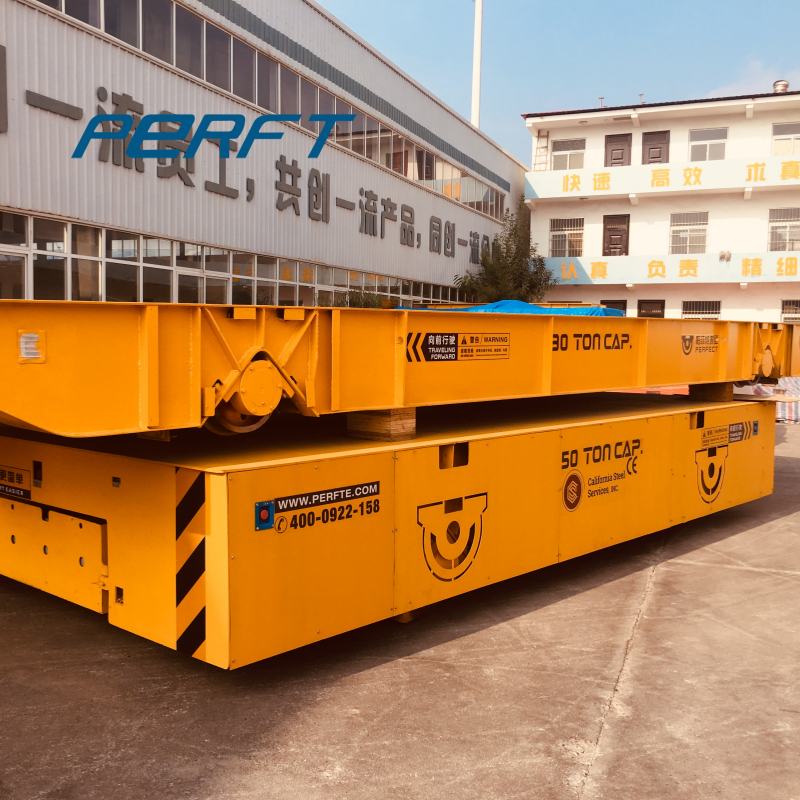 Transfer Trolleys With Wheels: Maximize Efficiency And Safety
Discover the versatile transfer trolley with wheels—a trackless material handling solution featuring a high-strength steel body, advanced drive system, and precise maneuverability.
-
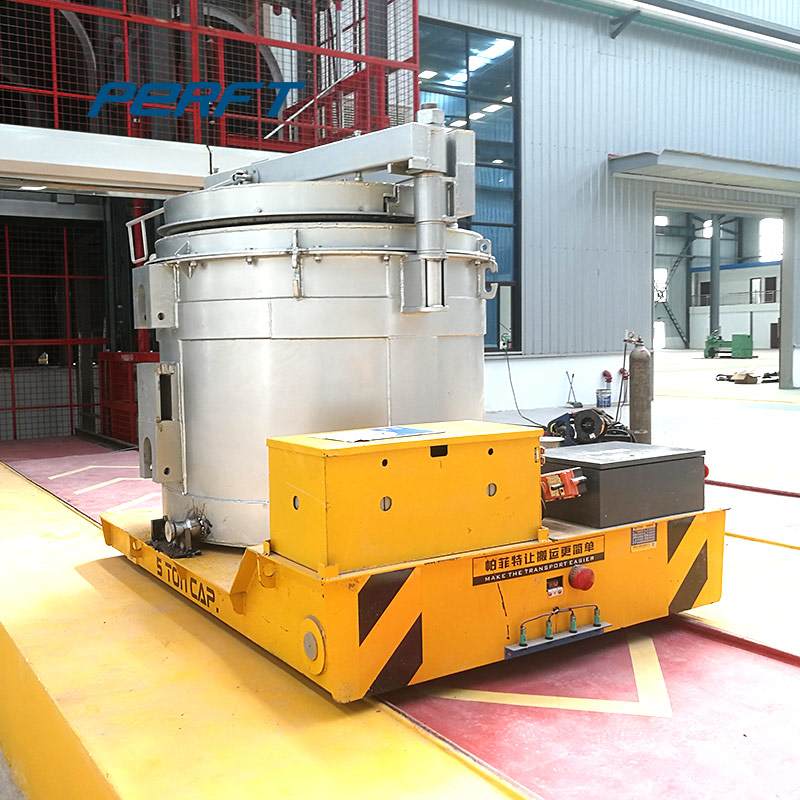 Why Are Most RGV Powered By Busbar
Rail transfer cart is mainly responsible for transporting materials between different workstations on the production line to achieve efficient and accurate material distribution. The power supply system is one of the key factors to ensure the stable operation of RGV.
-
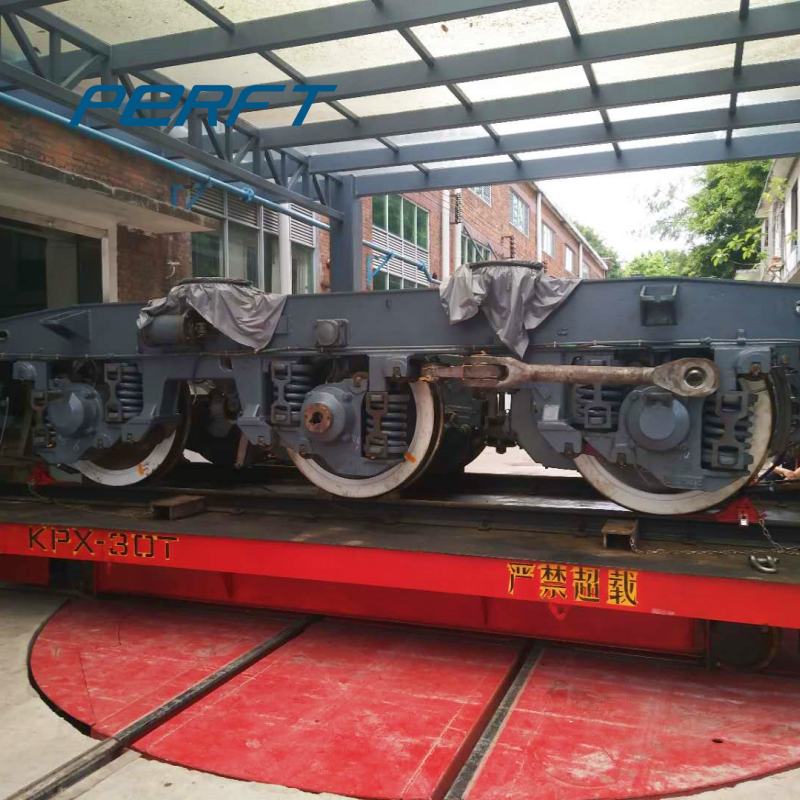 “Wearing Parts” Of Battery Powered Transfer Cart
Motorized transfer cart has long become an important means of transportation for carrying heavy objects. Many users will choose some parts as spare parts when purchasing electric carts. Here we give a brief introduction to the “wearing parts” on electric carts.
-
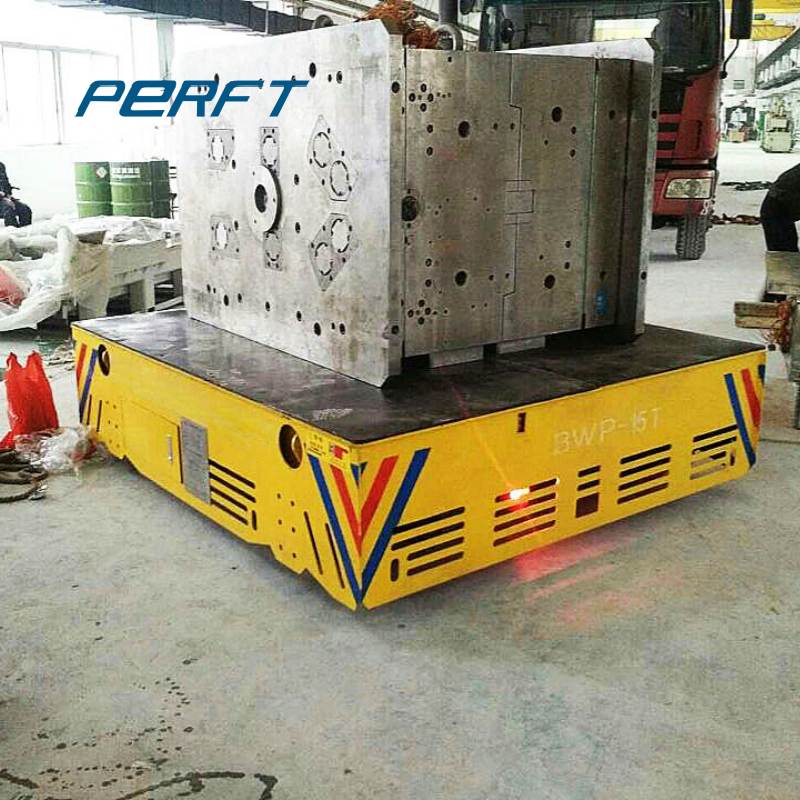 Electric Trolley: Pros and Cons of Battery Powered
The power supply mode of electric trolley has an important impact on the performance and efficiency of transfer cart. This article will explore the advantages and disadvantages of using battery power supply for electric trolley and introduce its relevant details in detail.
-
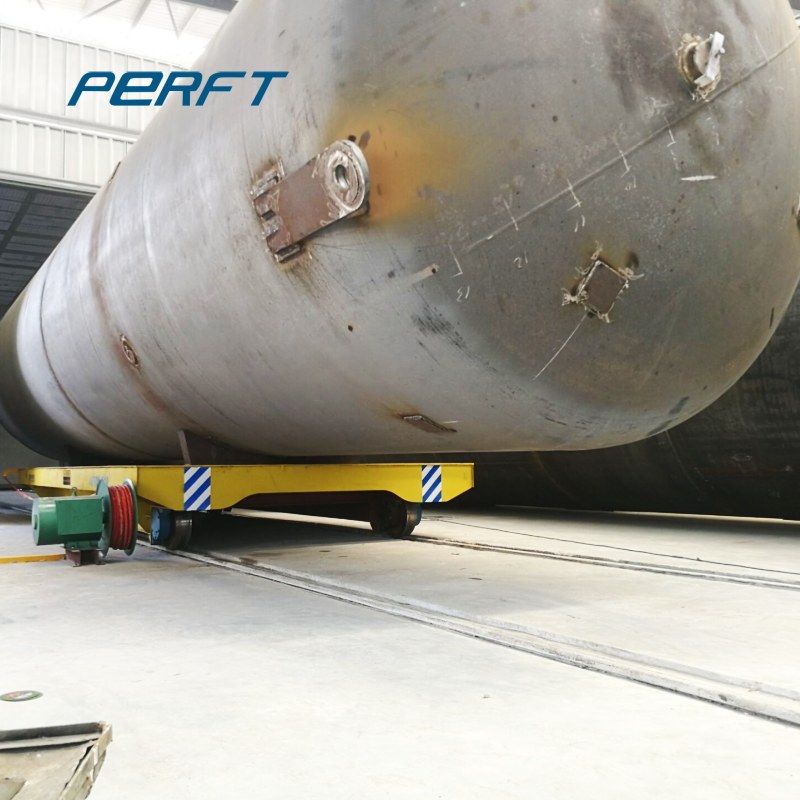 Rail Transfer Cart: Common Problems And Maintenance
Electric transfer cart draws power from the rail. The 36V two-phase AC power is connected to two tracks respectively. So what are the common problems with low voltage rail transfer carts in daily use?
-
 Upgrading From Remote Controlled Trolley To Intelligent AGV
The upgrade from traditional remote controlled trolleys to intelligent navigation AGV is not only a technological innovation, but also a transformation of production and transportation modes. Intelligent navigation AGV play an increasingly important role in modern production with their advantages of automation, high precision, and high efficiency.
-
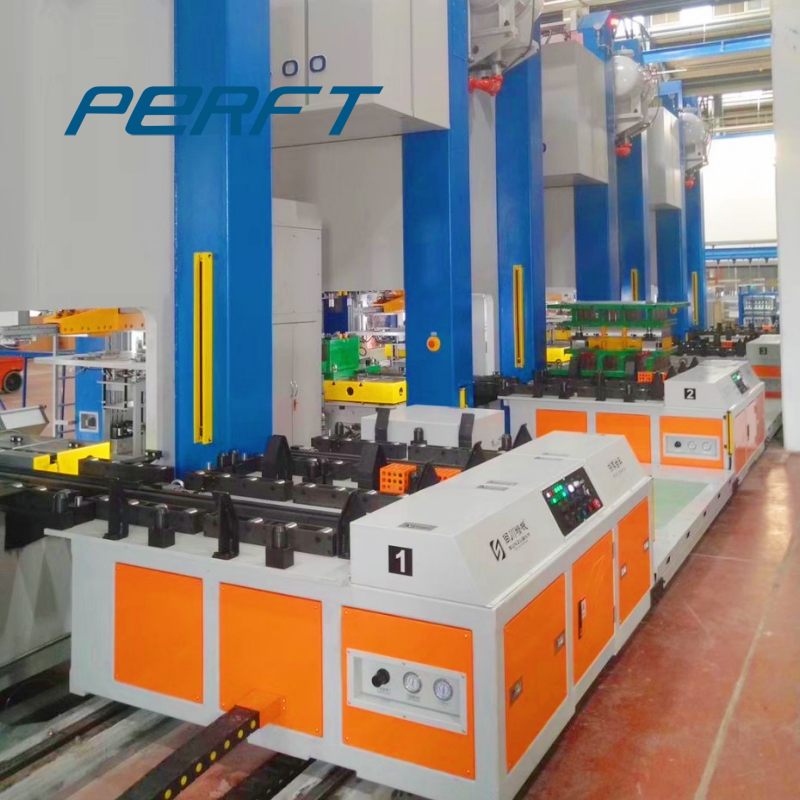 Electric Cart With Horizontal Movement And Track Change
As an innovative transfer equipment, rail transfer carts have shown significant advantages in the field of large workpiece spraying and are crucial to improving production efficiency and ensuring product quality.
-
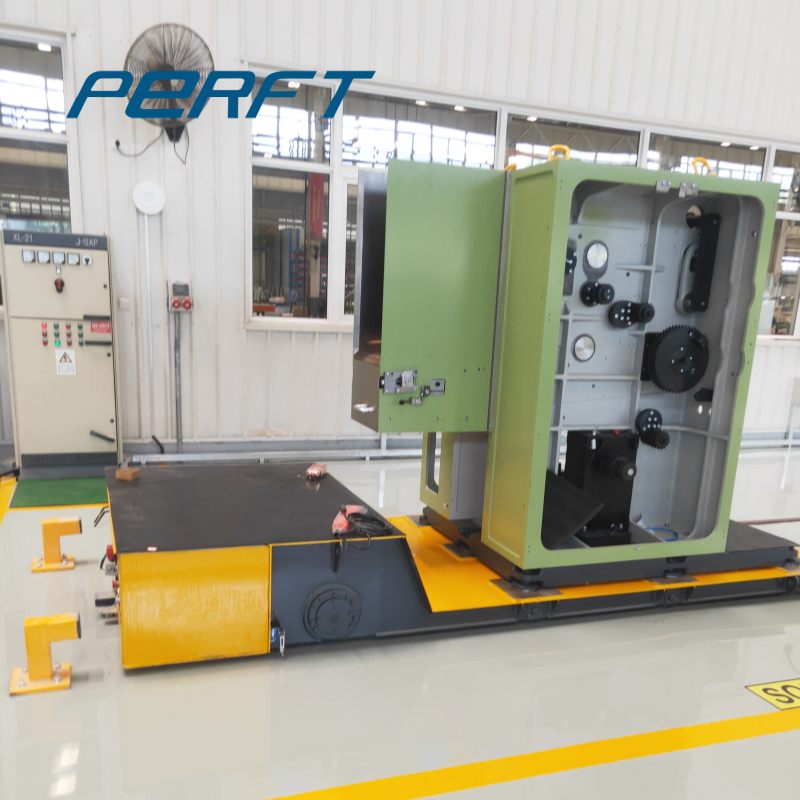 Trackless Transfer Trolley VS Rail Transfer Trolley
Electric transport trolley is divided into rail cart and trackless trolley. What are the different characteristics of these two types of handling equipment? You can learn from this article.
